Thursday, February 6, 2014

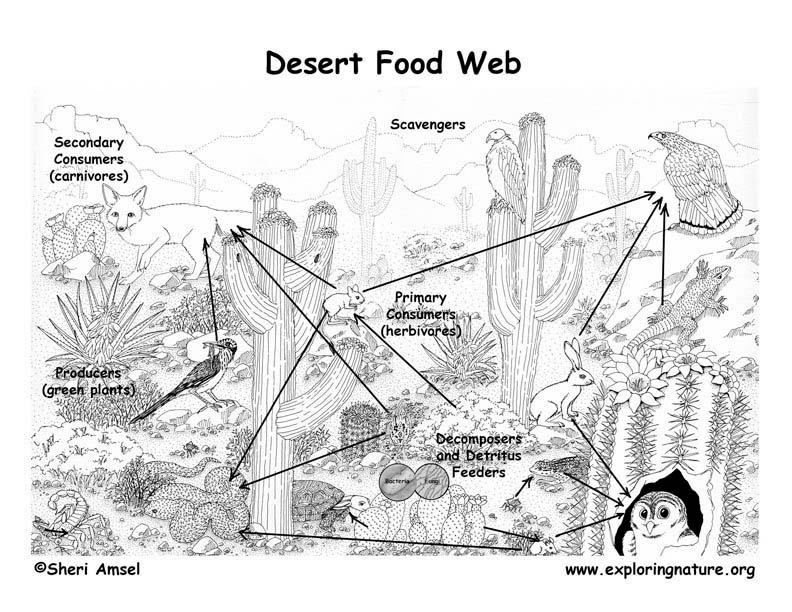
Wednesday, February 5, 2014
Desert post 5
The American Peregrine Falcon is an endangered species that is vastly loosing its place here on earth. The main reasons for the endangerment of these "subspecies" are poaching, loss of habitat and keeping there eggs from pesticides. This animal has a very low reproductive system and this puts it at even more risk for extinction, This bird is a subspecies of the fastest bird on earth. These birds can reach speeds up to 155mph and they hunt from an altitude of around 120 feet. The American Peregrine Falcon is known as one of natures most exciting species, with its powerful legs it can break the spines of it prey on impact.
cite: "Desert Threats." National Geographic. N.p., n.d. Web. 02 Feb. 2014.
cite: "Desert Threats." National Geographic. N.p., n.d. Web. 02 Feb. 2014.
 |
| http://www.biologicaldiversity.org/campaigns/esa_works/gallery/images2/american-peregrine-falcon-Craig-Koppie.jpg |
Tuesday, February 4, 2014
Desert post 4
Consumers
Camels are primary consumers that can store water in the humps of there backs for months at a time.

Rabbits have adapted to the desert because there good sense of hearing that can detect their predators or prey.

Kangaroo Rats are a type of rodent that can jump really high to help them escape from predators including foxes and coyotes.

The rosy boa is a nocturnal animal that grows up to 2-4 feet in length.

Fennec is a little animal similar to a fox but with bat like ears, there are usually found in the Sahara desert.

These consumers and pictures come from:"Primary Consumers - Wonders of the Desert." Wonders of the Desert. N.p., n.d. Web. 04 Feb. 2014.
Camels are primary consumers that can store water in the humps of there backs for months at a time.
Rabbits have adapted to the desert because there good sense of hearing that can detect their predators or prey.
Kangaroo Rats are a type of rodent that can jump really high to help them escape from predators including foxes and coyotes.
The rosy boa is a nocturnal animal that grows up to 2-4 feet in length.

Fennec is a little animal similar to a fox but with bat like ears, there are usually found in the Sahara desert.

These consumers and pictures come from:"Primary Consumers - Wonders of the Desert." Wonders of the Desert. N.p., n.d. Web. 04 Feb. 2014.
Desert Post 3
Producers
A brittle bush has flowers on it. The pedals are mostly yellow. It mostly has 13 pedals and looks like a sunflower.

Salt Bush gets it name from the salty deposits on its leaves, It is often mistaken for sagebrush.
A Tumbleweed is an above the ground plant that tumbles away in the wind.
A desert Lily looks like an Easter lily but can be found growing in the desert. The Native Americans use the flower as food.

The Joshua Trees are fast growers for the desert, and do not need water to grow just sunlight.

All pictures and information was found at:"Producers - Desert Biome." Desert Biome. N.p., n.d. Web. 04 Feb. 2014.
A brittle bush has flowers on it. The pedals are mostly yellow. It mostly has 13 pedals and looks like a sunflower.
Salt Bush gets it name from the salty deposits on its leaves, It is often mistaken for sagebrush.
A Tumbleweed is an above the ground plant that tumbles away in the wind.
A desert Lily looks like an Easter lily but can be found growing in the desert. The Native Americans use the flower as food.
The Joshua Trees are fast growers for the desert, and do not need water to grow just sunlight.
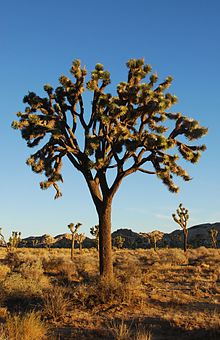
All pictures and information was found at:"Producers - Desert Biome." Desert Biome. N.p., n.d. Web. 04 Feb. 2014.
Monday, February 3, 2014
Desert post 2
Desert landscapes are only made up of about 10% sand, most of them are rockey places that consist of gravel and large stones. the high winds that come into these areas cause dunes to be made. Dunes stand up to 600 feet tall and have made there way into a sport known as offroading.
"English Online." Deserts. N.p., n.d. Web. 03 Feb. 2014.
 |
| http://upload.wikimedia.org/wikipedia/commons/5/55/Desert_Landscape.jpg |

"English Online." Deserts. N.p., n.d. Web. 03 Feb. 2014.
Desert post 1
- The desert has an average percipitation of less than 50 cm a year.
- The average tempature in the day is 39 degrees C., and at night is average of -3.9 degrees C.
- The desert is a place with low rainfall and can not have tempatures to contain vegitation. The tempatures in the day are hot and at night can drop to below freezing.
- The most common weather disaster is sand and dust storms involving high winds.
 |
| http://s3.amazonaws.com/kidzworld_photo/images/2013519/6b4640d8-fea0-4e63-b3a3-461ceaa1468d/sahara-gallery.jpg
"The Desert Biome." The Desert Biome. N.p., n.d. Web. 02 Feb. 2014.
|
Subscribe to:
Comments (Atom)